Beaver Sightings in Vermont
2,075 documented observations · most recent 5/16/2026
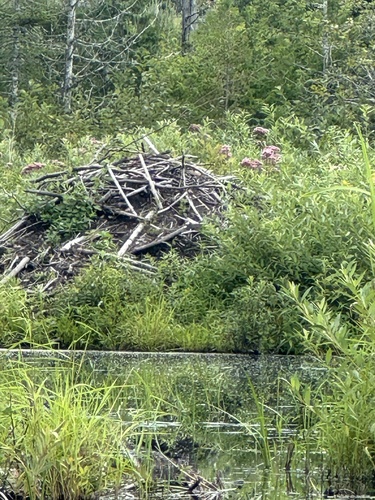
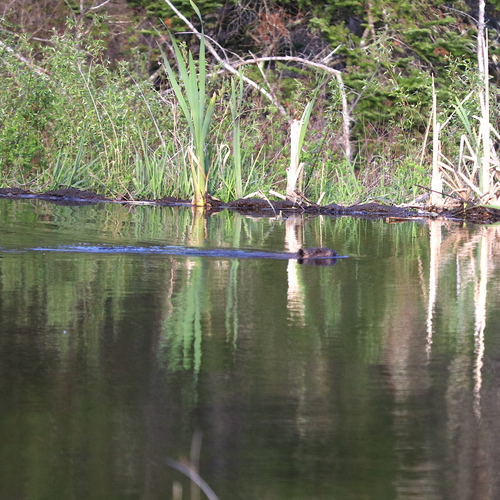
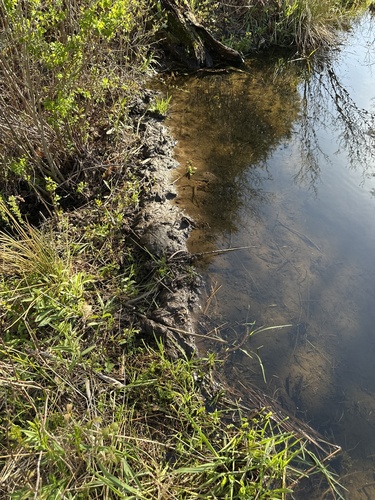
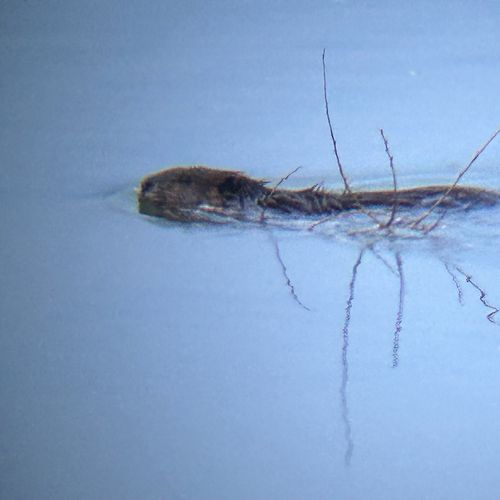
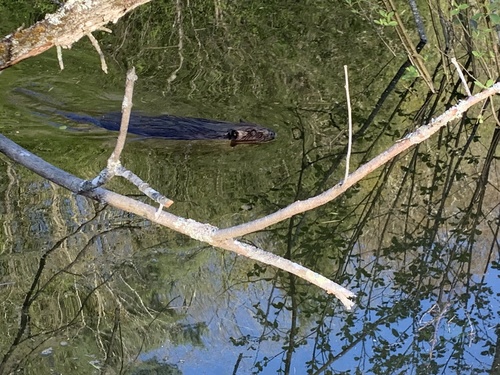
Beaver activity in Vermont is well documented and, based on current records, ongoing. BeaverTracker holds 2,075 verified sightings for the state, with the most recent logged on May 16, 2026. The observations from the past week alone show a steady cadence of encounters — several per day at points — all recorded as direct animal sightings rather than secondary evidence like tracks or chewed wood. One observer noted catching a glimpse of a large tail and body as the animal surfaced to snap a twig, a reminder of how fleeting these encounters can be even when beavers are actively at work. The volume and recency of records here reflect a community of engaged naturalists contributing through citizen-science platforms, which is a meaningful part of what makes datasets like this one useful over time.
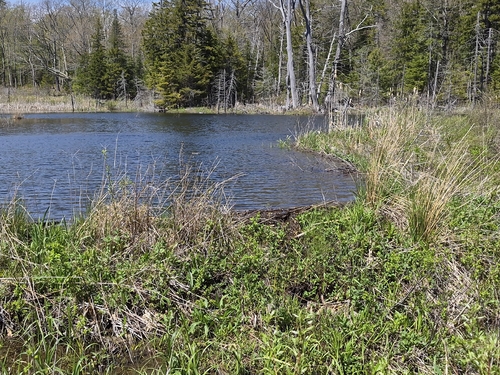
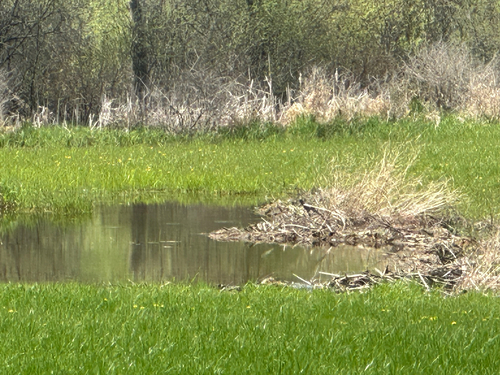
Beavers are widely recognized as a keystone species, meaning their presence and behavior shape the landscape in ways that extend far beyond the animals themselves. By constructing dams and maintaining ponds, they slow the movement of water through a watershed, raise local water tables, and create wetland habitat that supports a wide range of other species. This water-retention capacity has drawn growing interest in the context of drought and broader climate resilience, since beaver-engineered wetlands can hold water on the landscape longer during dry periods. Where cold, oxygenated water is a factor, beaver ponds can also provide conditions relevant to fish habitat, though the specifics depend heavily on local hydrology and species present.
Vermont's landscape — with its mix of forested hillsides, river corridors, and seasonal streams — offers the kind of habitat beavers tend to seek out. The record here reflects steady, distributed observation rather than a single concentrated hot spot, which is consistent with a species that occupies a wide range of wetland environments across the state.
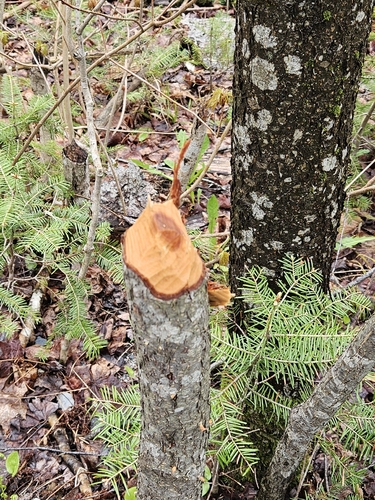
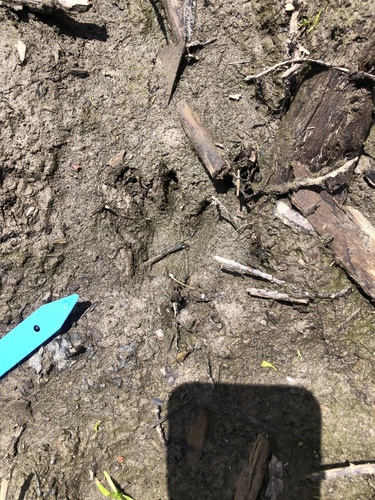
Recent observations
Get monthly updates for Vermont
One email a month. Notable sightings, dam activity, and ecological notes.