Beaver Sightings in New Hampshire
1,385 documented observations · most recent 5/19/2026
Beaver activity in New Hampshire is being documented regularly, with 1,385 sightings on record and the most recent observation logged on May 19, 2026. The pace of recent reports — multiple sightings across several consecutive days in mid-May 2026, including one noted at Lake Armington — suggests that beavers are actively present and that community observers are keeping a close eye on them as spring progresses.
The dataset draws heavily from citizen-science contributions, predominantly through iNaturalist, and that community engagement is a meaningful part of what makes the record useful. Each logged observation adds to a broader picture of where beavers are showing up and how often, even when location details are incomplete.
As a species, the North American beaver is widely regarded as a keystone animal — one whose behavior reshapes habitat in ways that benefit a wide range of other wildlife. Their dams slow and spread water across the landscape, creating wetlands that support amphibians, waterfowl, and aquatic invertebrates. In stream systems where salmon and other migratory fish are present, beaver ponds can provide thermal refuge and rearing habitat, though the relationship is complex and context-dependent. There is also growing interest in beaver activity as a natural buffer against drought and the effects of a warming climate, since their impoundments help retain water during dry periods.
None of those broader ecological dynamics are confirmed or denied by the sighting data alone — the record here reflects observation, not ecological assessment. What it does show is consistent, ongoing presence across the state and a community of observers willing to document it. If you have spotted a beaver in New Hampshire, adding your observation helps fill in the gaps and improves the picture for everyone tracking this species.
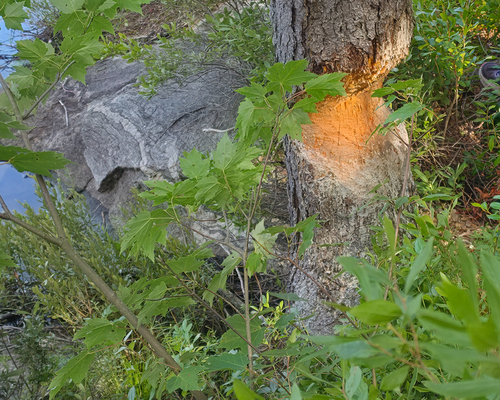
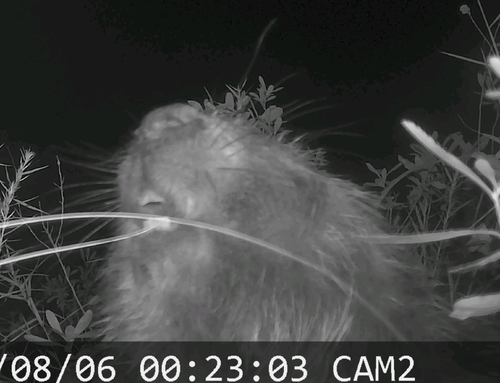
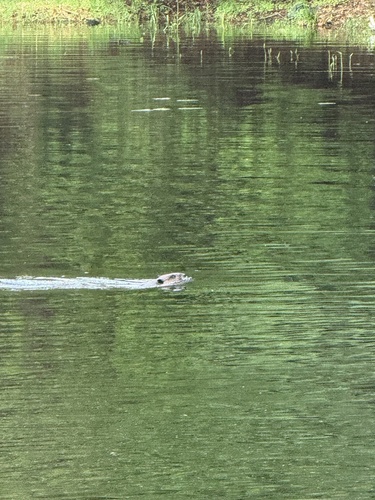
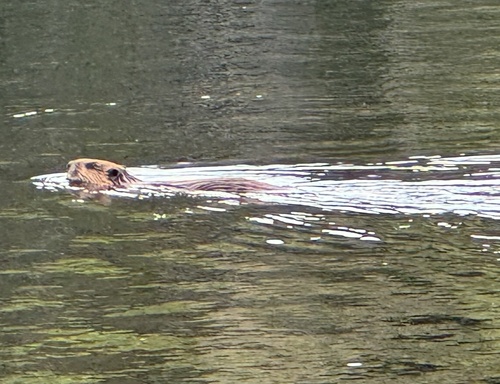
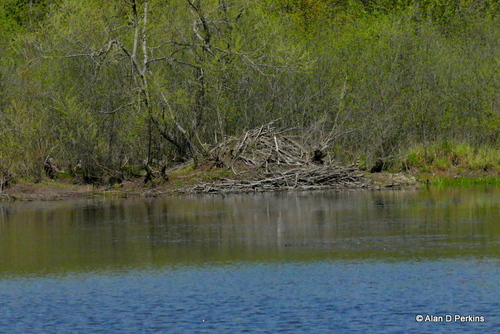
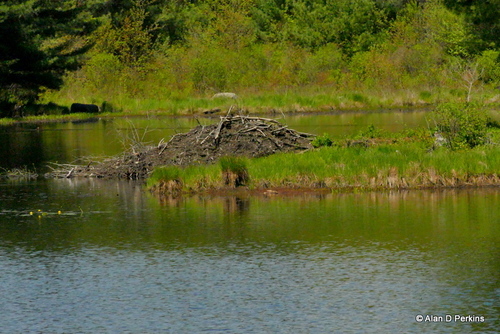
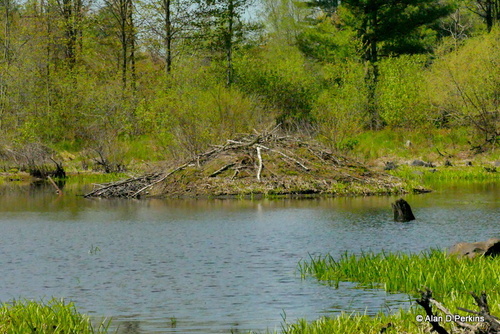
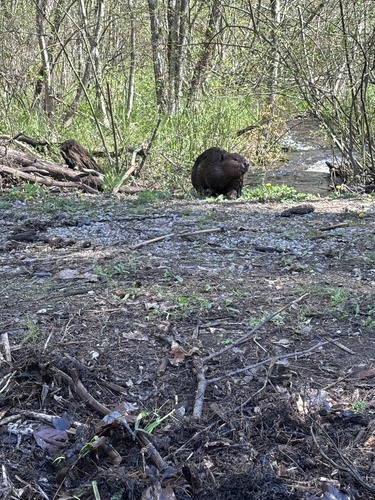
Recent observations
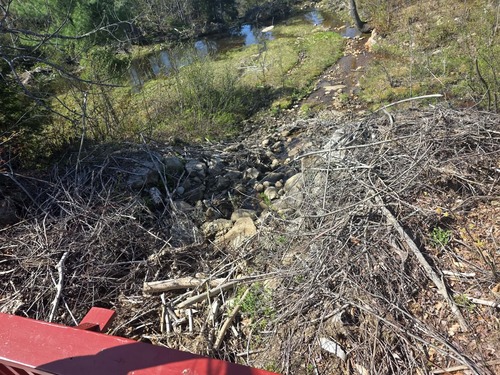
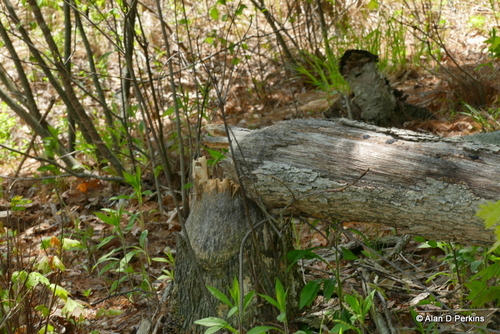
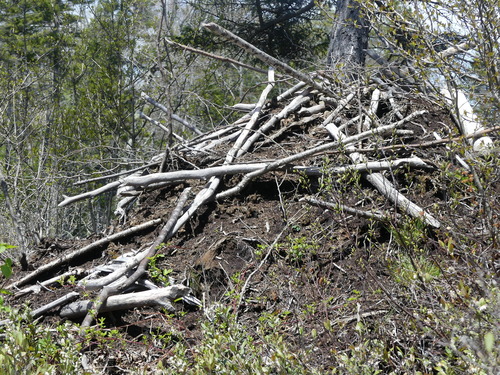
Get monthly updates for New Hampshire
One email a month. Notable sightings, dam activity, and ecological notes.