Beaver Sightings in Maryland
2,178 documented observations · most recent 5/19/2026
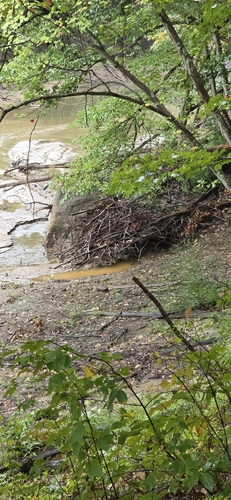
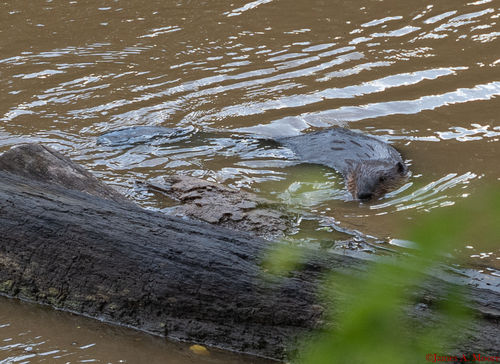
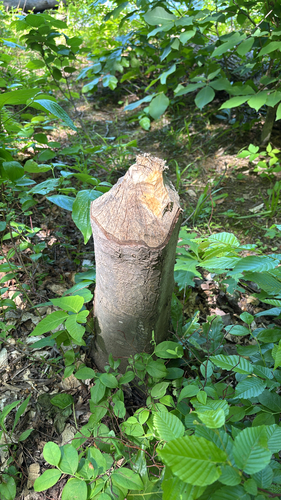
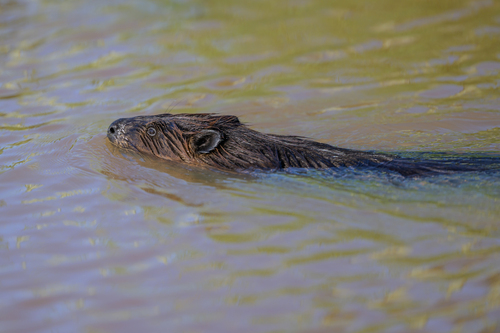
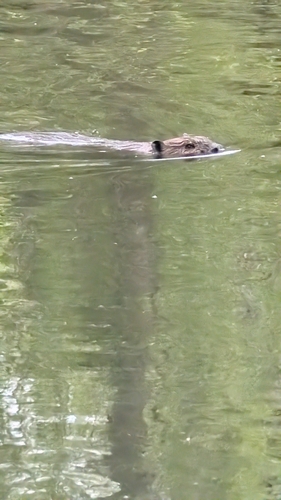
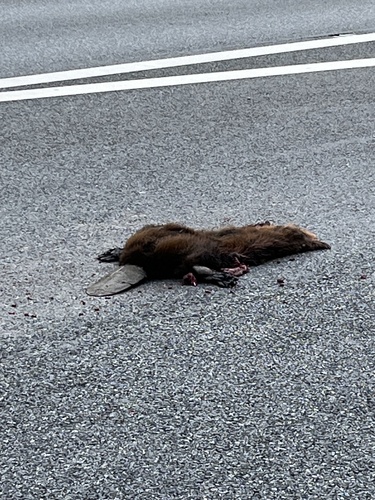
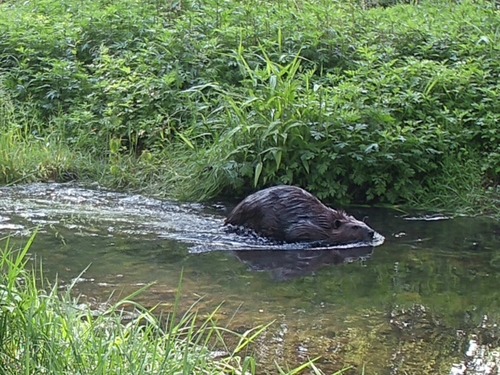
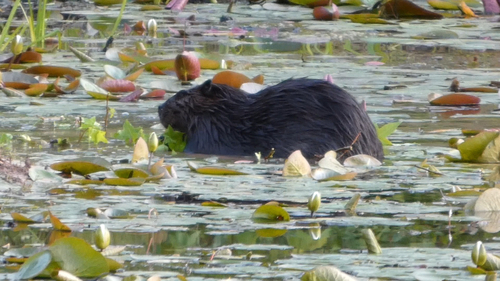
Beaver activity in Maryland is ongoing, with 2,178 sightings on record and observations continuing into May 2026. The most recent confirmed sighting was logged on May 19, 2026, and the preceding weeks showed a steady stream of additional reports — roughly ten observations in the span of ten days alone. All recent sightings classify the evidence type as direct animal observation, suggesting that people are encountering beavers in the field rather than inferring their presence from secondary signs. One observer noted a very large carcass on an off-ramp along I-83, a reminder that beavers also turn up in unexpected, urbanized settings. The dataset draws heavily from community science platforms, and the volume of records reflects sustained public engagement with tracking this species across the state.
Beavers occupy a well-documented role as a keystone species throughout their North American range. Their dam-building behavior slows water flow, raises local water tables, and creates wetland habitat that supports a broad range of plants and animals. These engineered wetlands can buffer the effects of drought by retaining water in the landscape longer than free-flowing streams would. There is also growing research interest in how beaver-created habitat may support climate resilience by moderating stream temperatures and reducing flood peaks downstream. None of those outcomes can be attributed specifically to Maryland's beaver population on the basis of observational sighting data alone, but the general biology is well established.
For anyone interested in contributing to this picture, the sightings here are drawn from iNaturalist, GBIF, and similar community science sources. Each new observation adds to a record that researchers, land managers, and curious residents can use to understand where beavers are active and how that distribution may be shifting over time.
Recent observations


Get monthly updates for Maryland
One email a month. Notable sightings, dam activity, and ecological notes.